Travel Budget Planner: How to See the World Without Going Broke
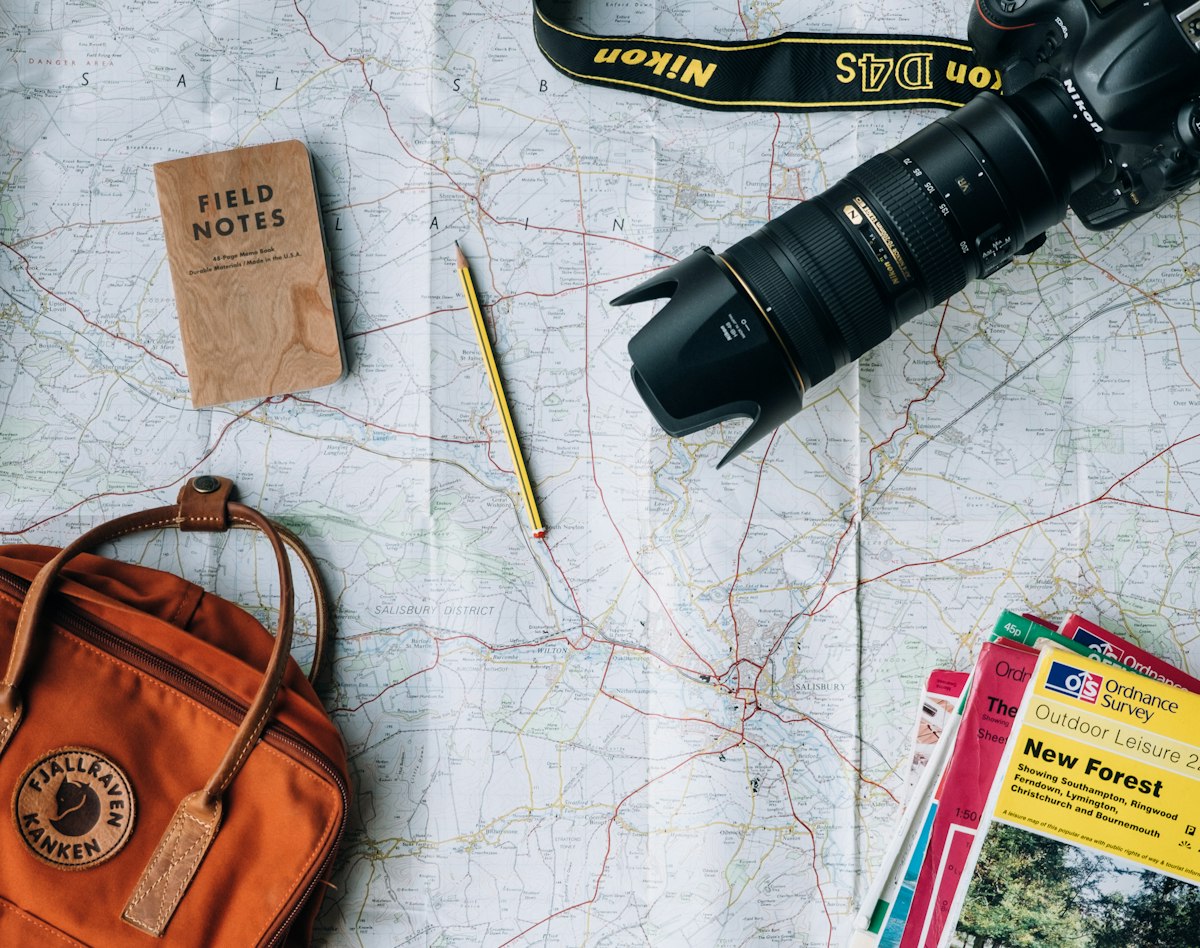
Photo by Annie Spratt on Unsplash
Here's a number that surprises most people: the average American spends $2,410 per person on a domestic vacation and $3,500–$5,000 per person on an international trip. Yet most travelers plan their budgets on vibes — a rough guess, an optimistic spreadsheet, and a prayer.
The result? One in three travelers overspends by 20% or more, according to a 2023 Bankrate survey. The guilt erases the joy. The credit card bill lingers for months.
There's a better way. A travel budget planner isn't about restricting fun — it's about enabling more trips by making each one financially sustainable. When you know exactly what a trip costs, you can save for it intentionally, spend confidently during it, and plan the next one without guilt.
The 5 Categories of Travel Expenses
Every trip, regardless of destination, breaks down into the same five buckets. The proportions shift based on where you go and how you travel, but the categories are universal.
Typical budget split for a 7–14 day international trip. Source: compiled from BLS, NerdWallet, and travel industry data.
1. Flights (25–35%)
Usually the single biggest expense and the one with the most price variation. The same route can cost $400 or $1,200 depending on when you book.
Key strategies:
- Book 2–3 months ahead for domestic, 3–5 months for international (Google Flights data confirms this window)
- Fly midweek (Tuesday–Thursday) to save 15–40%
- Use Google Flights' price tracking to catch drops
- Consider nearby airports — flying into a secondary airport can save 20–30%
2. Accommodation (25–35%)
The second biggest bucket, with the widest range of options.
| Type | Cost/Night | Best For |
|---|---|---|
| Hostel | $15–$50 | Solo travelers, budget trips |
| Airbnb | $60–$200 | Couples, families, longer stays |
| Mid-range hotel | $100–$250 | Comfort, business travel |
| Luxury hotel | $250+ | Special occasions |
Money-saving tip: For stays over 5 nights, negotiate monthly rates on Airbnb (often 30–50% cheaper per night). For couples, compare: two hostels vs. one Airbnb private room — the Airbnb is often cheaper.
3. Food & Drink (15–20%)
The category most people underestimate. Three restaurant meals a day in Western Europe will cost $60–$100/person. But you can cut this in half:
- Eat breakfast at the accommodation (grocery store run on day one)
- Big lunch, light dinner — many countries offer lunch specials ("menu del dia" in Spain, "formule" in France)
- Street food and markets for authentic, affordable meals
- Limit alcohol — it's the hidden budget killer
4. Activities & Experiences (10–15%)
Museum entries, tours, excursions, adventure sports. These add up fast but are often the highlights of the trip. Budget $20–$50/day/person.
Pro tip: Many cities offer free walking tours (tip-based), free museum days, and city passes that bundle 5–10 attractions at 30–40% off. Research these before you go.
5. Local Transport (5–10%)
Taxis, rideshares, metro cards, rental cars. In cities with public transit, this is cheap. In rural areas, a rental car may be necessary.
How to Build Your Travel Budget: Step by Step
Step 1: Set Your Total Budget First
Start with what you can afford, not what the trip "should" cost. Check your savings, determine how many months until the trip, and calculate a monthly savings amount.
Example: Trip in 6 months, can save $300/month → total budget of $1,800.
Step 2: Research Real Costs
Use these tools to get actual price data:
- Google Flights for airfare
- Booking.com / Airbnb for accommodation
- Numbeo.com for local cost of living (meals, transport, groceries)
- TripAdvisor for activity and excursion pricing
Spend 30 minutes researching. Write down realistic daily costs for your destination.
Step 3: Allocate by Category
Take your total budget and split it using the percentages above. Adjust based on your priorities — if experiences matter more than fancy hotels, shift budget from accommodation to activities.
Example for a $3,000, 10-day trip to Portugal:
- Flights: $800 (27%)
- Accommodation: $900 (30%) — ~$90/night
- Food: $550 (18%) — ~$55/day
- Activities: $450 (15%) — ~$45/day
- Transport: $200 (7%)
- Buffer: $100 (3%)
The buffer is essential. Something always comes up — a spontaneous boat tour, a lost item, an ATM fee. Budget 3–5% as a float.
Step 4: Save Intentionally
Calculate your monthly savings target: total budget ÷ months until trip. Set up an automatic transfer to a dedicated travel savings account.
Better yet, add the trip to your life calendar as a future event. When you can see the trip on your timeline alongside your financial goals, saving for it becomes concrete rather than abstract.
Step 5: Track Spending During the Trip
This is where most plans fall apart. You've budgeted, you've saved, you've arrived — and then you stop tracking because you're "on vacation."
Use a simple daily log. At the end of each day, spend 2 minutes recording what you spent in each category. A travel journal entry on your life calendar serves double duty: you document the experience and note the costs.
Real Budget Examples
Here are three real-world budgets for a 10-day trip, per person, to show how the same framework scales:
$40/day + $800 flight
Hostels, street food, temples
$220/day + $800 flight
Airbnb, restaurants, tours
$300/day + $1,200 flight
Hotels, rail pass, dining
The point isn't the specific numbers — they vary by origin, season, and personal preferences. The point is that any trip becomes achievable when you break it into categories, research real costs, and save intentionally over months.
The Travel Bucket List Strategy
Most people's travel dreams remain dreams because they're vague. "I want to go to Japan someday" doesn't create action. "I'm saving $375/month for 12 months for a 14-day Japan trip in April 2027" does.
Here's a practical strategy:
- List your top 10 destinations. Be specific: not "Europe" but "2 weeks in Italy — Rome, Florence, Amalfi."
- Estimate total cost for each. Use the framework above. Rough numbers are fine.
- Rank by a combination of desire + cost + timing. Sometimes the cheapest trip first builds momentum.
- Plot them on your life calendar. Seeing "Japan at 34, Patagonia at 36, Morocco at 38" on your travel planner transforms wishes into plans.
- Start saving for #1 today. Even $50/month compounds — in 18 months, that's $900, enough for a budget international trip.
Travel and Life Planning
Travel isn't a luxury — it's one of the most powerful investments in personal growth, perspective, and memory-making. Research from Cornell University by Thomas Gilovich found that people derive more lasting happiness from experiences than material purchases. Memories appreciate over time; possessions depreciate.
When you track your trips on a life calendar, you can see at a glance how many of your weeks included travel — and how many were routine. Most people are surprised to find that their happiest weeks correlate with travel, learning, and time with loved ones, not with work milestones or purchases.
Budget for travel the way you budget for your future: intentionally, consistently, and with a clear visual of where it fits in the bigger picture. Because when you're 80, you won't remember the weeks you stayed home — you'll remember the ones where you went somewhere new.
Start planning your next trip on Lifeplanr — map it to your life calendar, track your savings toward it, and journal the experience when it happens.
